Doctors share ways to manage stress after NEET shock
Experts advise NEET students to stay calm after exam cancellation
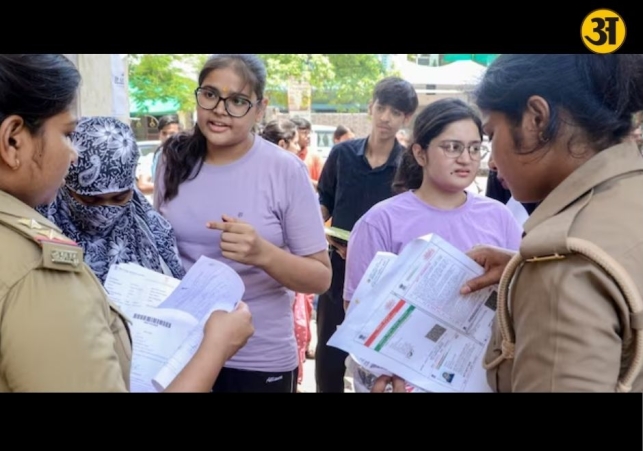
The cancellation of NEET UG 2026 after reports of a paper leak has left lakhs of students shocked, upset and confused across the country. The National Testing Agency cancelled the medical entrance examination after allegations that a guess paper circulated before the exam contained many questions similar to the actual paper. Reports claimed that nearly 120 Chemistry questions and several Biology questions matched the leaked material.
For more than 22 lakh students, NEET is not just another examination. It represents years of preparation, sacrifices, coaching classes, pressure and dreams of becoming doctors. Many students study day and night for several years to clear the highly competitive exam. Because of this, the sudden cancellation has created deep emotional stress for students and their families.
Many students now feel uncertain about their future. Some are angry about the unfairness of the situation, while others are worried about preparing again if the exam is conducted another time. Mental health experts say such situations can have a serious emotional effect on students because competitive exams carry great importance in their lives.
According to psychiatrist Dr Pavitra Shankar from Aaksh Healthcare, students should remember that the cancellation of the examination does not define their value, intelligence or future success. She says students must understand that the situation is beyond their control and should avoid blaming themselves.
Experts explain that when students spend years preparing for one goal, any sudden disruption can make them feel helpless. Many students may experience fear, sadness, frustration and emotional exhaustion after hearing the news.
Doctors say common emotional reactions may include:
-
Anxiety about the future
-
Fear of losing time
-
Anger and disappointment
-
Difficulty sleeping
-
Lack of motivation
-
Emotional breakdowns
-
Fear of disappointing parents
-
Stress about repeating preparation
Mental health experts stress that such feelings are completely normal after a stressful event like this.
Students often try to hide their emotions because they feel pressure to appear strong. However, doctors warn that suppressing emotions for long periods can negatively affect mental health.
According to Dr Pavitra Shankar, students should openly share their feelings with trusted people instead of pretending everything is fine. Talking about emotions can help reduce mental pressure and anxiety.
Experts encourage students to speak with:
-
Parents
-
Brothers and sisters
-
Friends
-
Teachers
-
Counsellors
-
Mentors
Doctors say emotional support from family and friends becomes extremely important during uncertain situations like exam cancellations.
Mental health specialists also warn students against spending too much time on social media after such incidents. Since the announcement, social media platforms have been filled with rumours, emotional reactions, predictions and unverified information. Constantly reading negative news and opinions can increase stress levels further.
Experts advise students to limit unnecessary scrolling and focus only on official updates from trusted sources. Comparing preparation levels or future plans with other students online can also increase anxiety and self-doubt.
ALSO READ: Donald Trump to visit China after nearly nine years amid global tensions
ALSO READ: Trump-Xi meeting to focus on trade and global crises
Experts suggest healthy ways to stay emotionally strong
Psychiatrists say students should try to maintain a normal daily routine even during uncertain situations. Many students stop studying completely, skip meals or disturb their sleep schedule after facing disappointment. However, experts say this can worsen stress and emotional imbalance.
Doctors recommend that students continue light revision instead of completely disconnecting from studies. This can help maintain confidence and prevent panic if another exam date is announced later.
Mental health experts suggest several healthy habits that may help students feel more stable emotionally:
-
Sleep on time every day
-
Eat healthy and balanced meals
-
Drink enough water
-
Exercise regularly
-
Go for short walks
-
Practice yoga or meditation
-
Do breathing exercises
-
Take short breaks from studies
-
Spend time with supportive people
According to doctors, physical health and mental health are closely connected. Even small activities like walking, stretching or talking with family can help reduce emotional stress.
Experts also remind parents that their behaviour plays a major role in helping students recover emotionally after setbacks. Many parents become anxious themselves and repeatedly ask children about studies, ranks or future plans. However, psychiatrists say this may increase pressure on students during an already difficult time.
Dr Pavitra Shankar says parents should focus more on emotional support than academic pressure. Creating a calm and understanding atmosphere at home can help students cope better with disappointment.
Parents are advised to:
-
Listen patiently to students
-
Avoid constant questioning
-
Reassure children emotionally
-
Encourage healthy routines
-
Avoid comparisons with others
-
Help students stay hopeful
Experts say students need emotional safety and reassurance more than criticism during stressful periods.
Doctors also stress that one examination does not decide a person’s entire future. Although NEET is considered an important examination, students should not think their life is over because of one setback.
Many successful people face unexpected challenges during their academic journeys. Experts say setbacks, delays and disappointments are part of life, and students should focus on long-term goals rather than one difficult moment.
Psychiatrists explain that emotional recovery takes time. Some students may feel better after a few days, while others may continue experiencing anxiety or sadness for longer periods. In such situations, professional help may become necessary.
Doctors advise students to consult mental health professionals if they experience:
-
Continuous panic attacks
-
Severe anxiety
-
Extreme sadness
-
Loss of interest in daily life
-
Sleeplessness for many days
-
Feelings of hopelessness
-
Emotional numbness
Experts say seeking psychological support is a sign of strength, not weakness.
Mental health professionals also remind students that they are not alone. Lakhs of students across the country are going through similar emotions after the cancellation of the examination. Sharing concerns and supporting each other can help reduce feelings of isolation.
Doctors conclude that while the cancellation of NEET UG 2026 has caused disappointment and uncertainty, students should not lose hope or confidence in themselves. With emotional support, healthy habits and patience, students can manage stress more effectively and prepare for future opportunities calmly and positively.
Related News